




Product Display


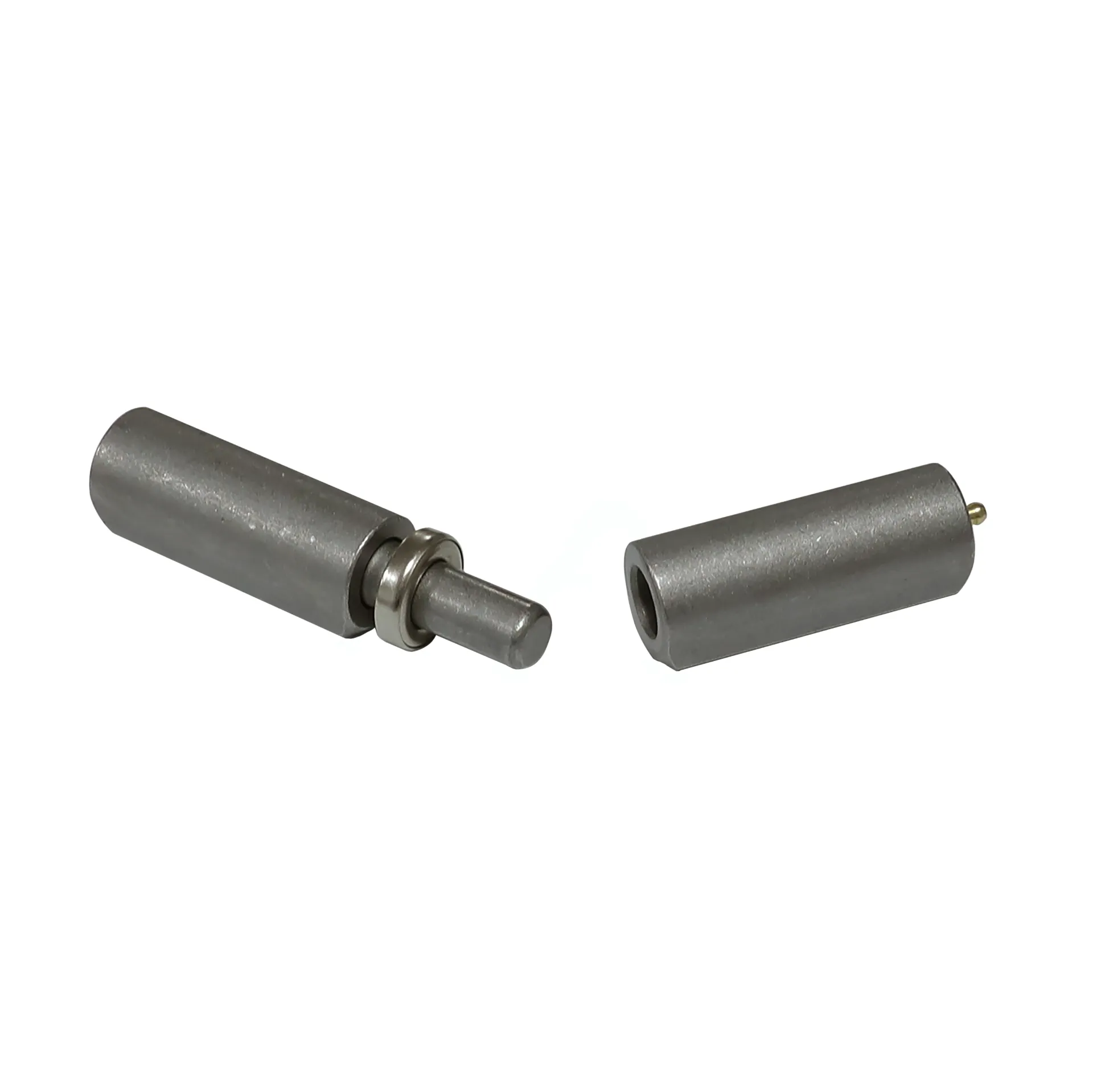



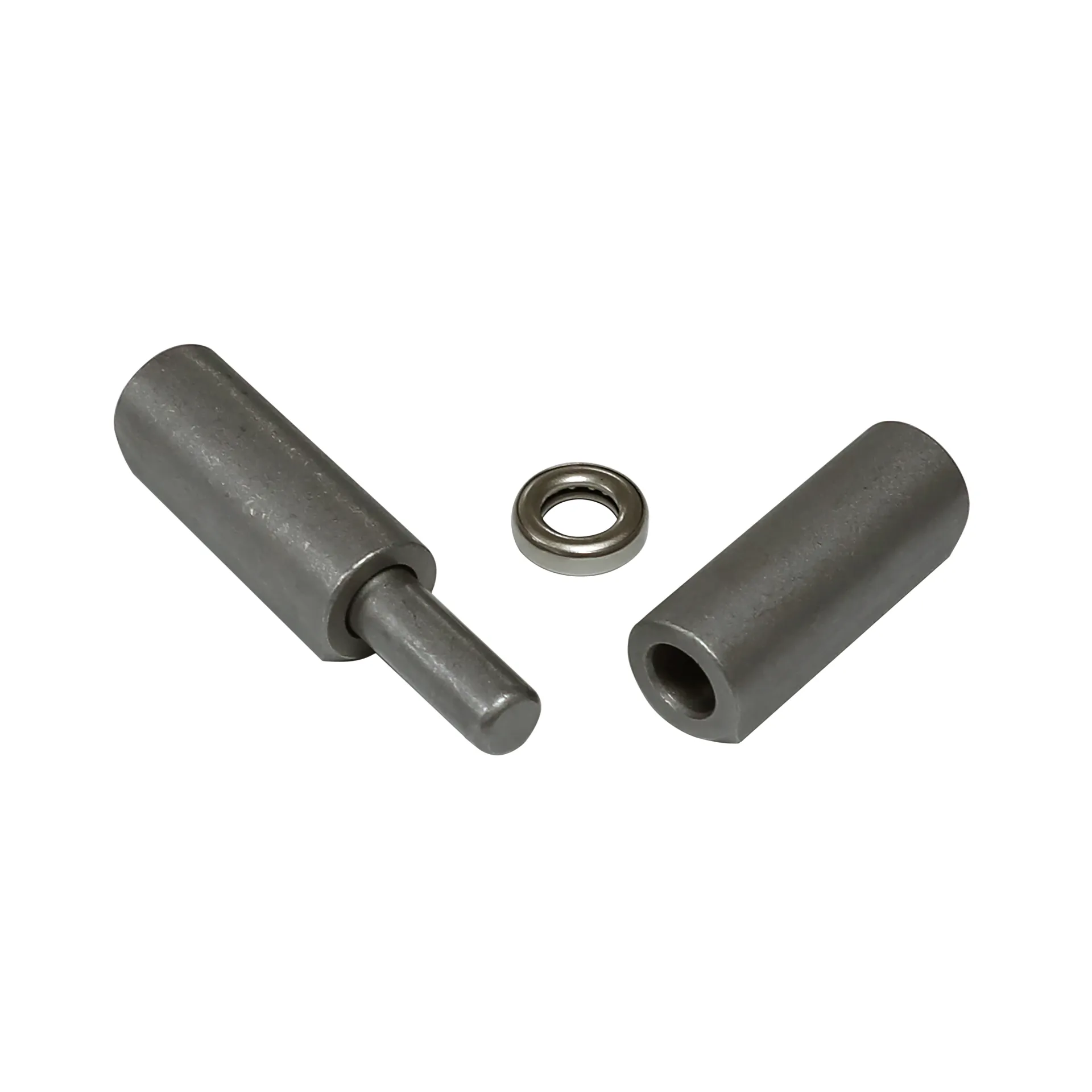
Bullet Hinges, Carbon Steel Weldable Barrel Hinges
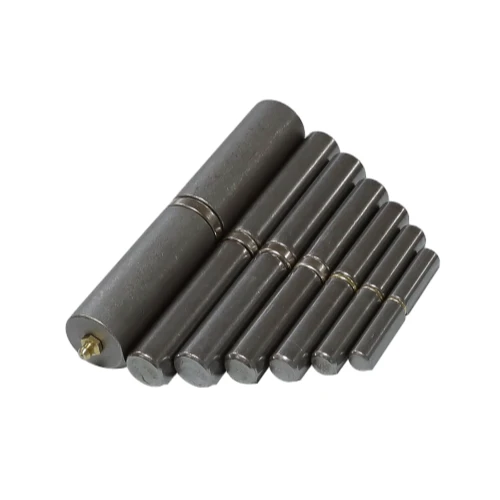
Detachable Gate Door Hinge for Swing Door, Trailer Ramp, Carbon steel weldable barrel hinges, without finish.The hinges has a raise part as the welded joint, make it more easy to weld. Can be used in many kind door, such as swing gate, trailer ramp, trailer dump gate

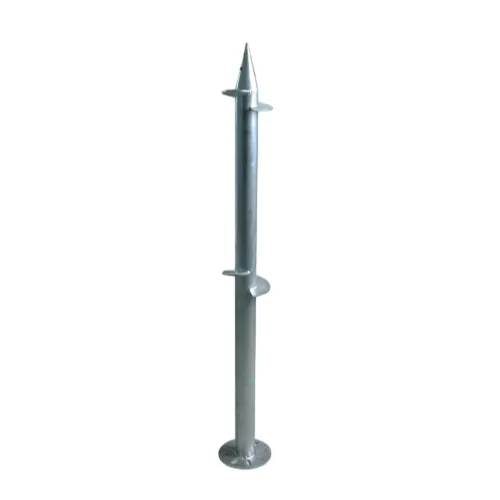
Hot Dip Galvanized Spiral Pile For Steel Structure Foundation

Heavy Duty Earth Anchor : These ground anchor kit are made of high quality steel with chrome finish, strong and durable, not easy to damage or rust.
Stable and Reliable : Spiral anchor pieces are 39 inches long and fully welded at the spiral connection, easily piercing hard or rocky soil and providing a firm grip for your trampoline
Easy to Install and Remove : You can easily screw these spiral anchor into the ground with a drill and screw them out again when you don’t need them. You can install them in a few minutes, saving your time and effort
Wide Application : These versatile ground stakes can be used to secure camping tents, trampolines, sheds, swing sets, pet houses, trees, fences, and more. They are ideal for outdoor activities and home improvement projects
Double Bearing Pulley Type Sliding Door Track Pulley
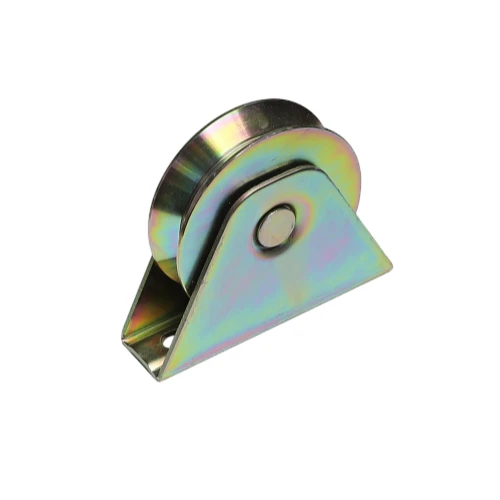
Introducing Double Bearing Pulley Sliding Door Track Pulley
Are you tired of sliding doors that stick, squeak, or simply don't slide smoothly? Look no further! We are excited to introduce the innovative Dual-Bearing Pulley Sliding Door Track Pulley designed to revolutionize your sliding door experience. This state-of-the-art pulley system combines advanced engineering with high-quality materials to ensure optimal performance and durability.
U Groove Wheel Pulley BlockSuper Silent Wall Mounted Pulley Block
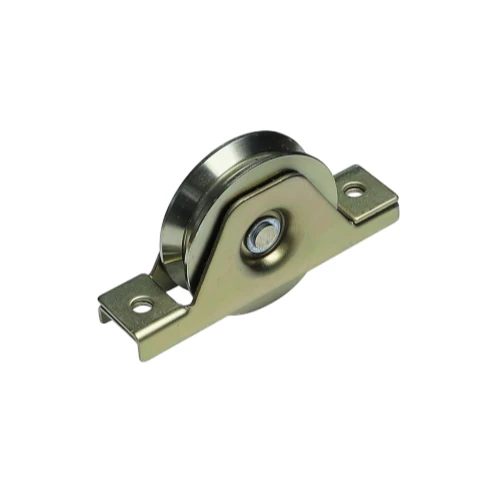
Double Bearing Rope Pulley for Gym Equipment, Pulley System, Sliding Gate
Introducing U-Groove Pulley Blocks: The Ultimate Solution for Your Pulley System Needs
Are you tired of noisy, inefficient pulleys that disrupt your workout or daily routine? Look no further! The U-Groove Pulley Block revolutionizes your experience with its ultra-quiet operation and rugged design. Whether you are installing fitness equipment, sliding doors, or any other pulley system, this product is engineered to meet your needs for precision and reliability.
National Standard Bearing Industrial Pulley Ball Bearing Double Wheel And Single Wheel Sliding Door Hanging Wheel
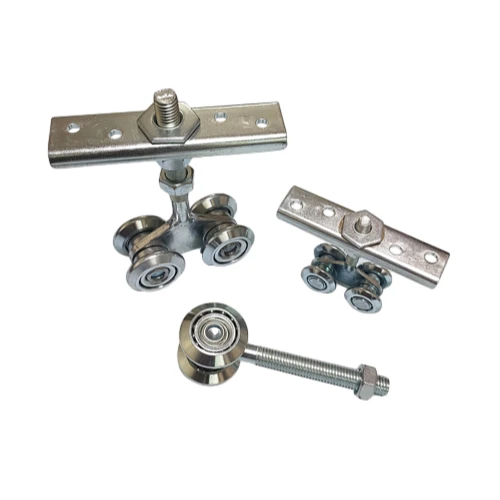
Rest assured that the material selection is excellent in quality: the product is made of 45 type steel, with galvanized surface, which has good corrosion resistance, oxidation resistance, heat resistance, high strength and strong toughness.
Wide range of applications:Pulleys are widely used in industries such as industry, furniture decoration, etc. They have a wide range of uses and are unanimously welcomed by various industries.
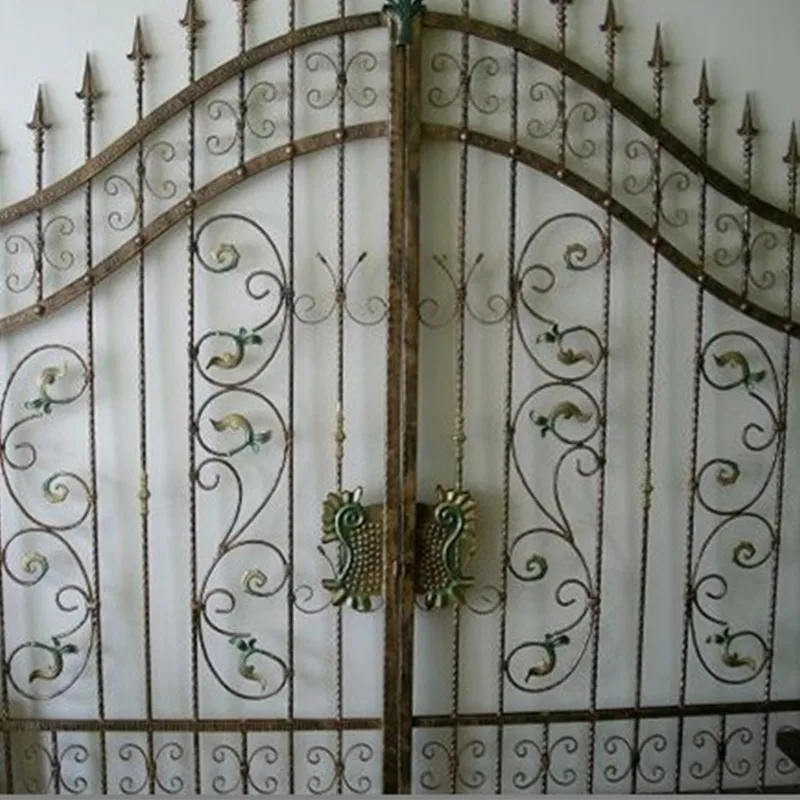
Forging Wrought Iron Rosettes And Panels
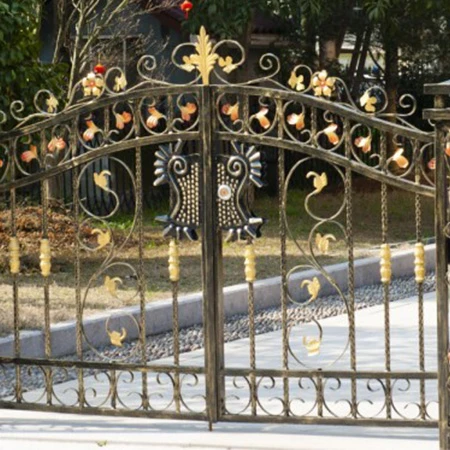
Introducing our premium wrought iron products: the ultimate solution in durability and versatility
In a world where quality and durability are paramount, we are proud to introduce our latest collection of premium wrought iron products. Designed with the modern consumer in mind, our products combine superior craftsmanship with innovative features that are sure to stand the test of time. Whether you are looking for a decorative element to your home, sturdy outdoor furniture or reliable hardware, our wrought iron products are the perfect choice.
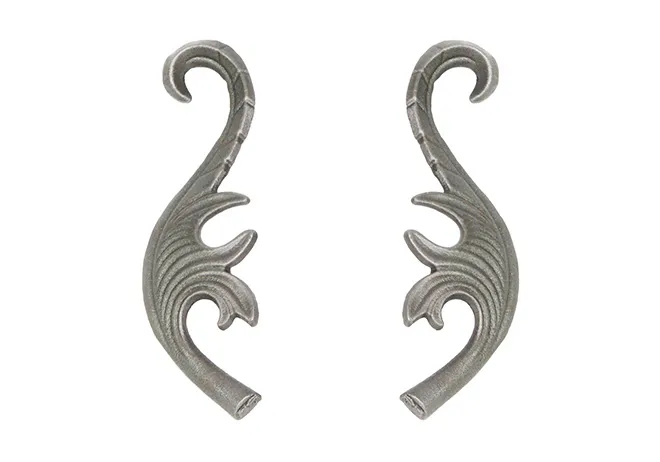
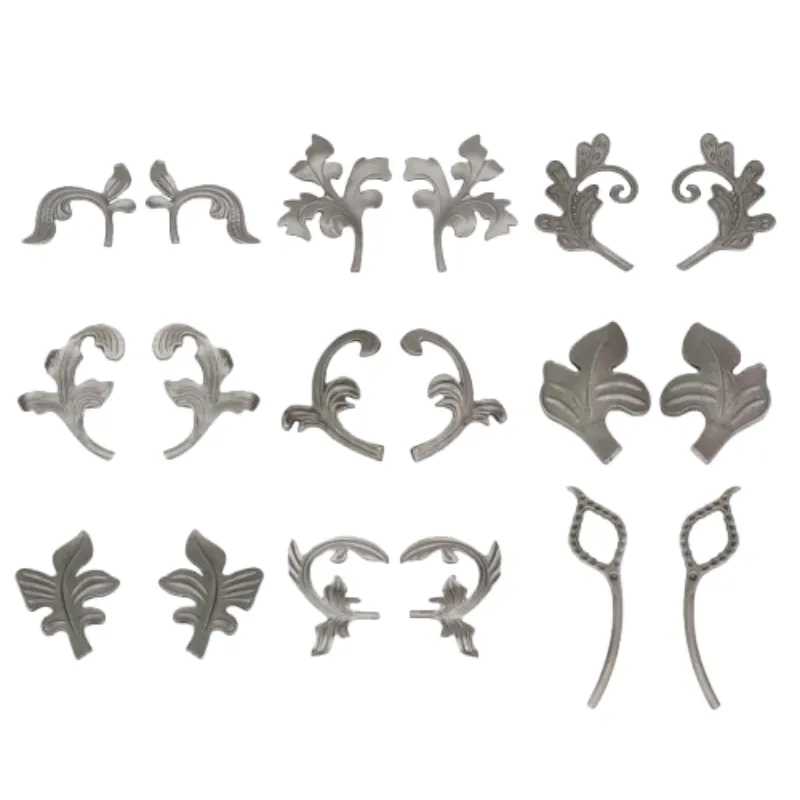
Wholesale Wrought Iron Leave
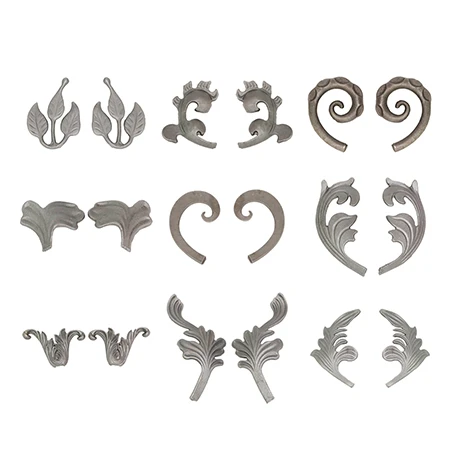
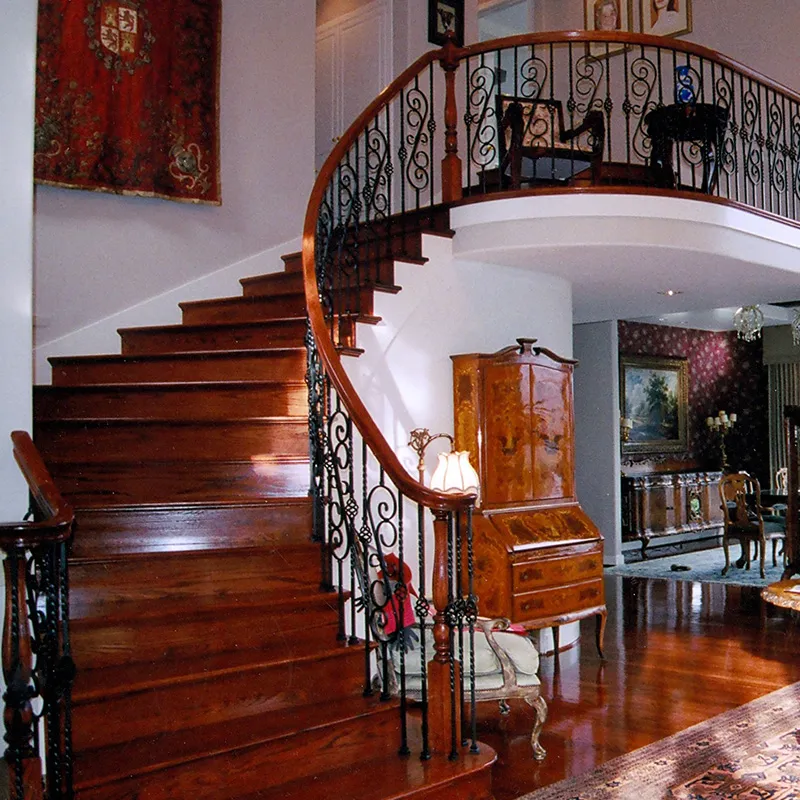
The versatility of wrought iron is one of its most attractive features. Our products can be seamlessly integrated into a variety of environments, from traditional to contemporary. Whether you want to beautify your garden with an elegant pergola, protect your home with a stylish gate, or add character to your interior with a decorative railing, our wrought iron products are the perfect choice for you.
Wrought Iron Designs
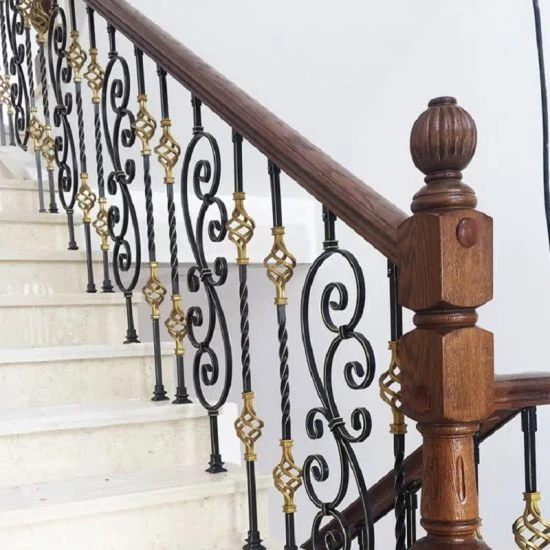
In a world where quality and aesthetics often conflict, we are proud to introduce our latest collection of wrought iron products that redefine the standard of durability and elegance. Expertly crafted and designed to stand the test of time, our wrought iron products are not only practical, but also the embodiment of style and sophistication.
Decorative Wrought Iron Parts
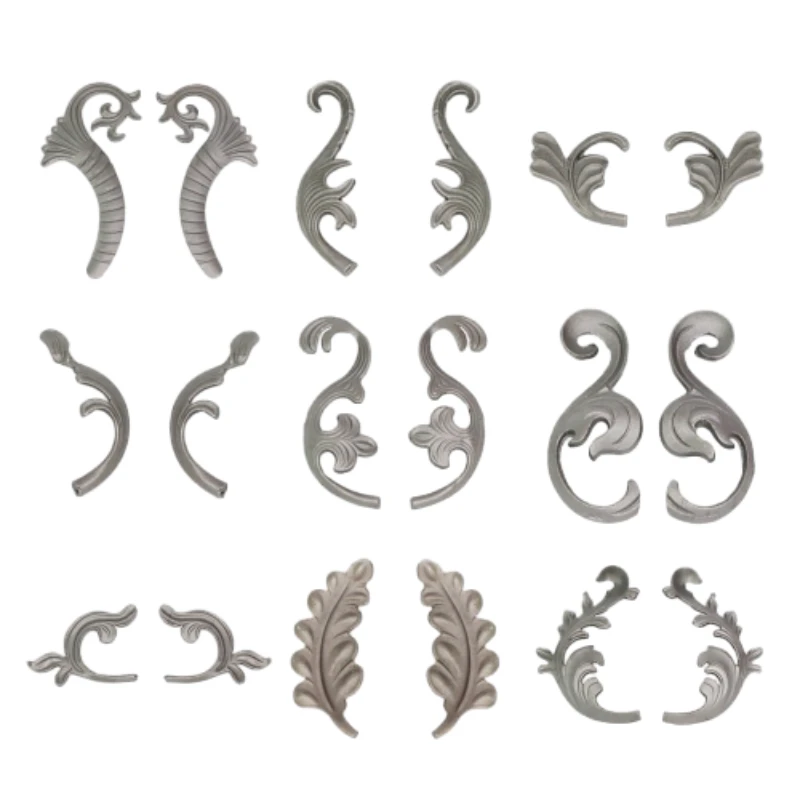
Eco-Friendly Choice: Wrought iron is a sustainable material that can be recycled without losing its quality. By choosing wrought iron, you are making an environmentally friendly decision and contributing to a greener planet.
Wholesale Wrought Iron Leaves
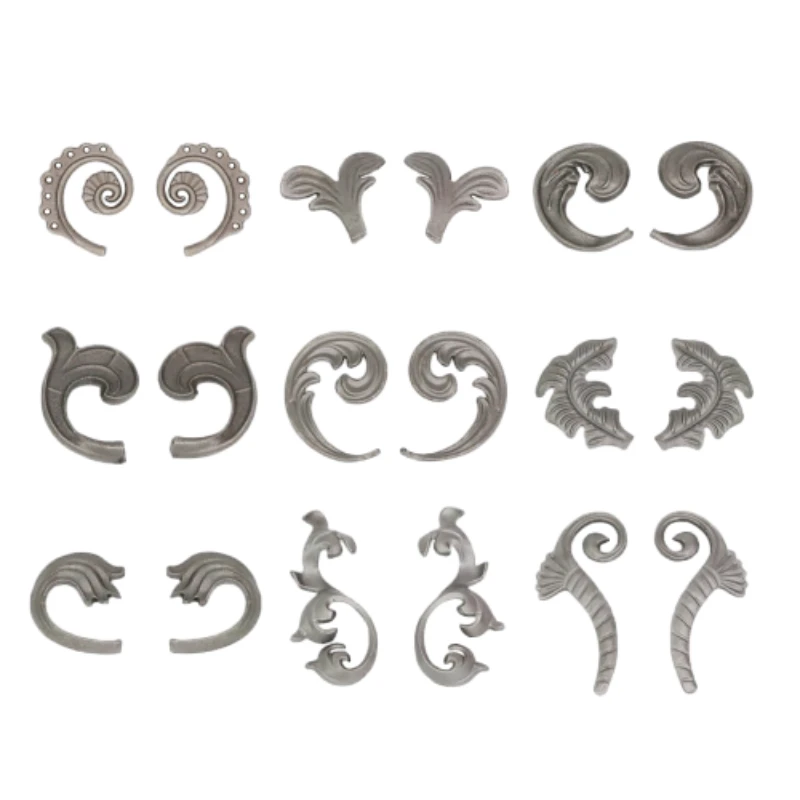
Multiple Design Options: Wrought iron can be made into a variety of designs, from intricate scrolls to sleek modern lines. This versatility allows you to find the perfect piece to complement your style, whether it’s for gates, railings, furniture or decorative accessories.
Cheap Metal Wrought Iron Decoration
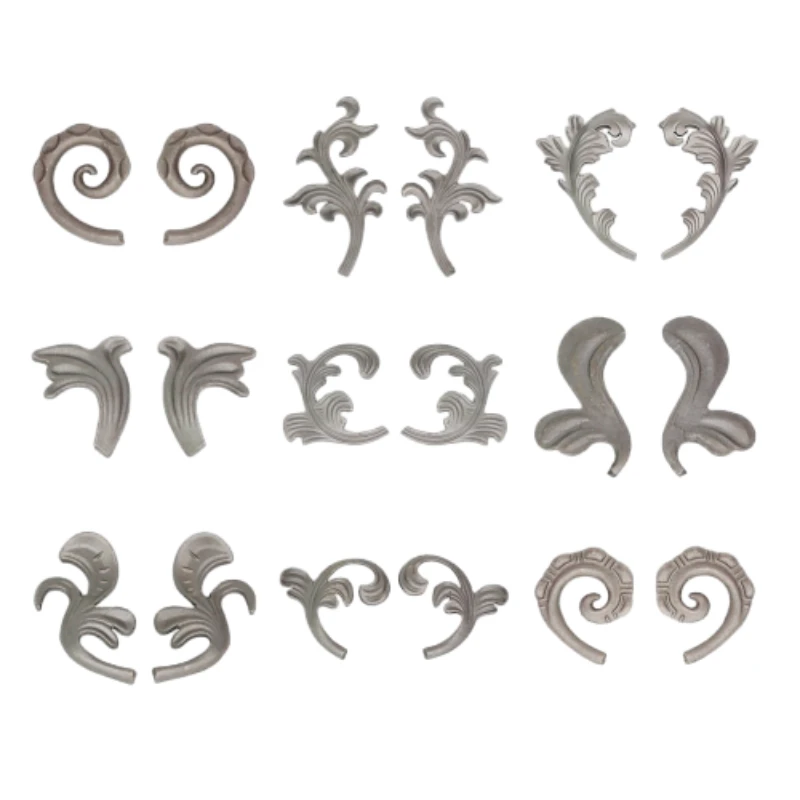
SUPERIOR DURABILITY: Wrought iron is known for its strength and durability. Unlike other materials that may warp or degrade over time, wrought iron maintains its structural integrity, making it ideal for both indoor and outdoor applications.
Wholesale Cast Wrought Iron Ornament
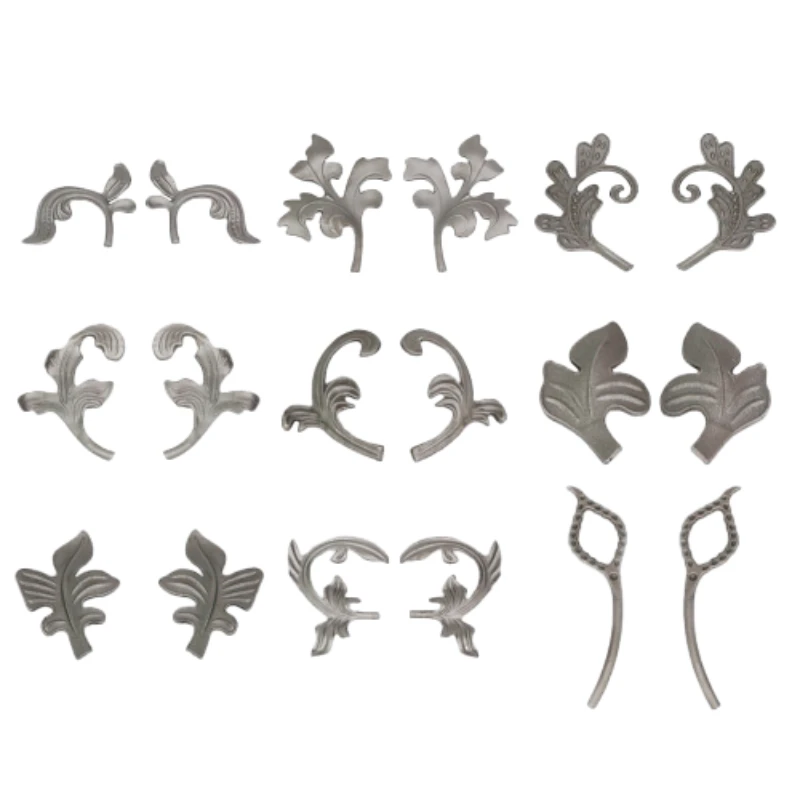
This flower garden border fencing features stylish look, which will add a modern touch and elegance to your garden, patio or yard and more delights to your life.
Ornamental Wrought Iron Fence Spears
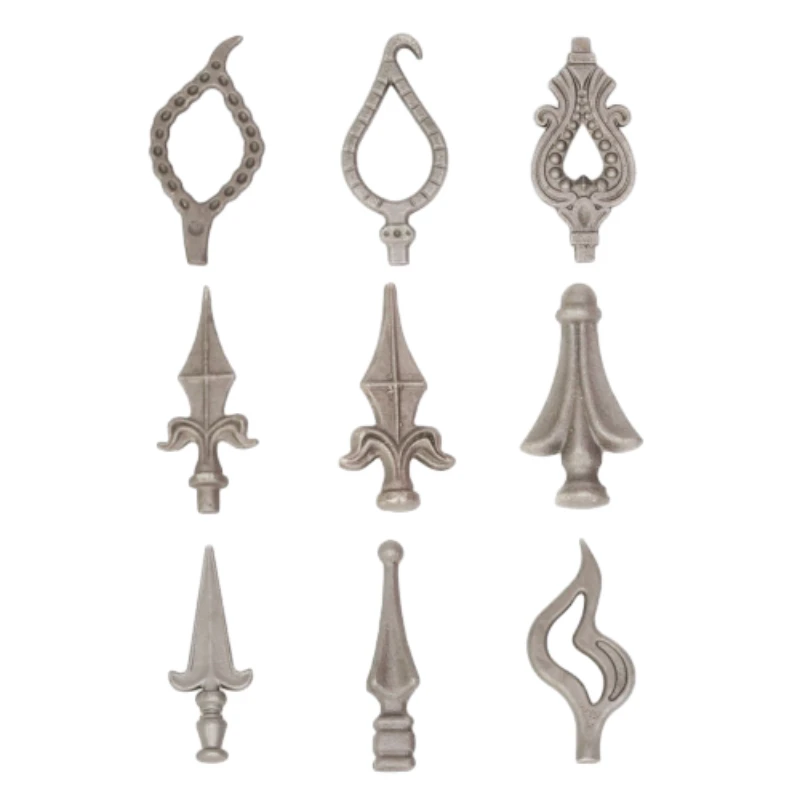
Enhance your outdoor space with our beautiful range of cast spears designed specifically for wrought iron fences. Made from high quality mild steel, these decorative metal spears will not only enhance the beauty of your property but also provide a strong and durable solution to your fencing needs.
Wholesale Cast Wrought Iron Ornaments
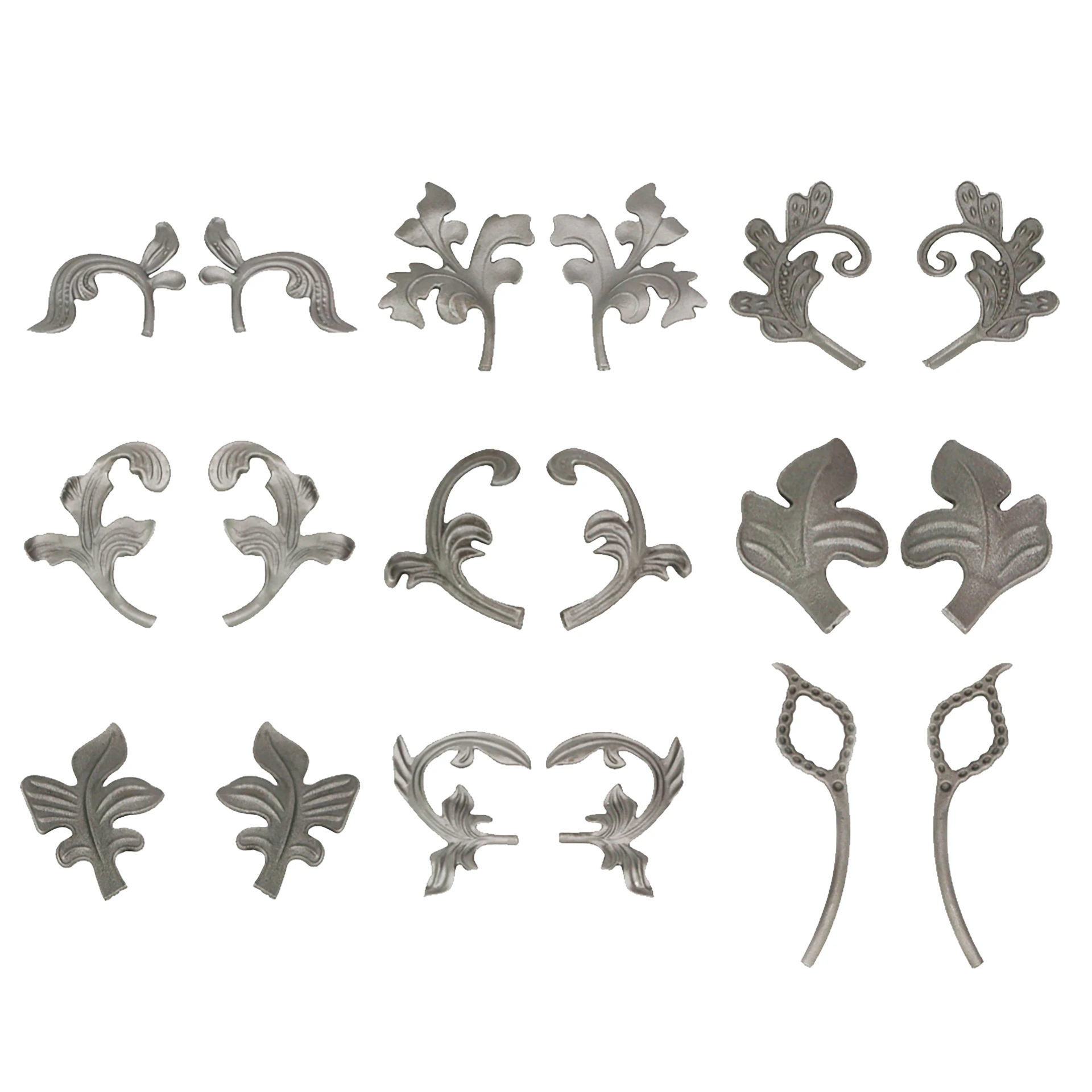
This flower garden border fencing features stylish look, which will add a modern touch and elegance to your garden, patio or yard and more delights to your life.
Bullet Hinges
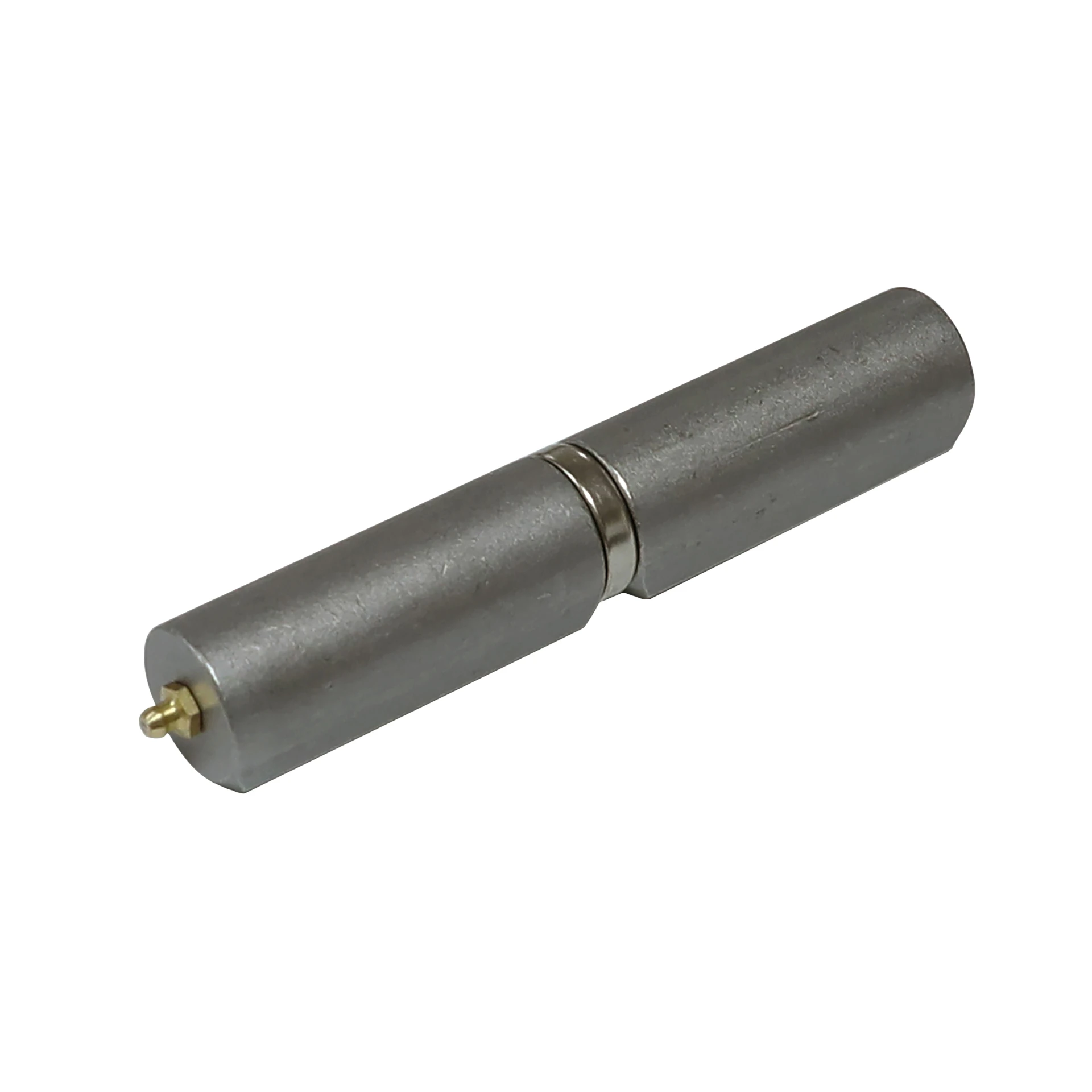
Bullet Hinges - 2-1/2" Long 3/8" Diameter, Carbon Steel Weldable Barrel Hinges, Detachable Gate Door Hinge For Swing Door, Trailer Ramp, Pin Od 1/4"carbon Steel Weldable Barrel Hinges, Without Finish
wrought iron railing panels
Introduction to Wrought Iron Panels in Modern Engineering In contemporary architectural and industrial design, wrought iron panels represent a critical component, blending aesthetic appeal with exceptional structural integrity. These panels, often accompanied by intricate wrought iron rosettes, are not merely decorative elements but serve crucial functional roles in security, demarcation, and design accentuation across diverse sectors. Known for their ductility, strength, and resistance to environmental stressors, they offer a durable and versatile solution that outperforms many conventional materials. This article delves into the technical aspects, market trends, application versatility, and quality assurance pertinent to modern wrought iron fabrication. Industry Trends in Wrought Iron Fabrication The market for wrought iron panels is experiencing a notable evolution, driven by advancements in material science, fabrication technologies, and shifting architectural preferences. Current trends indicate a move towards sustainable manufacturing practices, with a focus on recycled content and energy-efficient production. Design-wise, there is a growing demand for bespoke, intricate patterns that leverage CNC machining capabilities, alongside a resurgence of classic, heavy-duty rod iron fence panels for enhanced security and heritage aesthetics. Integration with smart home and building automation systems, particularly for automated gates and access control points, is also a significant emerging trend, reflecting a demand for both traditional craftsmanship and modern functionality. Furthermore, surface treatment innovations, such as advanced powder coatings and galvanization, are extending the service life and maintaining the visual integrity of wrought iron installations in challenging environments. Globally, the architectural metalwork market, which includes wrought iron components, is projected to grow, propelled by increasing construction activities and restoration projects. Data from industry reports suggest a compound annual growth rate (CAGR) for architectural metals, indicating sustained demand for high-quality, durable materials like wrought iron. The adaptability of wrought iron panels to both ornate, historical designs and sleek, modern minimalist aesthetics ensures their continued relevance across diverse project requirements. Detailed Process Flow: Manufacturing Wrought Iron Panels The production of high-quality wrought iron panels involves a meticulously controlled, multi-stage manufacturing process, ensuring both structural integrity and aesthetic precision. Our approach integrates traditional blacksmithing techniques with advanced industrial processes. 1. Material Selection and Preparation: Material: We primarily utilize low-carbon steel alloys (e.g., Q235, S235JR, A36), selected for their superior ductility, weldability, and formability, closely mimicking the characteristics of historical wrought iron. These materials are sourced from certified suppliers, ensuring chemical composition and mechanical properties meet international standards (e.g., ASTM A36, EN 10025). Preparation: Raw steel bars and sheets are cut to initial dimensions using precision shears or plasma cutters, minimizing material waste and ensuring dimensional accuracy for subsequent forging processes. 2. Forging and Shaping: Heating: Steel components are heated in industrial furnaces to specific temperatures (typically 900-1200°C), rendering them malleable for shaping. Temperature control is critical to prevent grain growth and ensure optimal mechanical properties. Forging: Skilled artisans and automated hydraulic presses forge the heated metal. This process involves hammering, bending, twisting, and drawing to create the desired patterns, scrolls, and structural components. Forging refines the grain structure, enhancing the material's strength and toughness. Casting (for complex rosettes): For intricate wrought iron rosettes and ornamental elements, sand casting or investment casting may be employed for initial forms, followed by grinding and polishing for detail. CNC Machining: For high-precision cuts, complex geometries, and repetitive ornamental designs, Computer Numerical Control (CNC) machining is utilized, ensuring consistency and accuracy across panel batches. 3. Assembly and Welding: Individual forged or cast elements are assembled into the complete panel structure. Welding: Components are joined using various welding techniques, primarily Metal Inert Gas (MIG) or Tungsten Inert Gas (TIG) welding, depending on the material thickness and aesthetic requirement. All welding is performed by certified welders, adhering to AWS (American Welding Society) or EN ISO 9606 standards. Grinding and Polishing: Welds are meticulously ground smooth, and surfaces are polished to eliminate imperfections, ensuring a seamless finish and preparing the surface for coating. 4. Surface Treatment and Finishing: Cleaning: Panels undergo a thorough cleaning process, including degreasing and sandblasting (Sa 2.5), to remove scale, rust, and contaminants, ensuring optimal adhesion for protective coatings. Galvanization: For maximum corrosion resistance, panels are hot-dip galvanized according to ISO 1461 or ASTM A123 standards. This process applies a durable zinc coating that provides sacrificial protection. Powder Coating: Following galvanization, a high-quality powder coat is applied and thermally cured. This provides an additional layer of protection against UV degradation, abrasion, and provides aesthetic color options. Common coating standards include AAMA 2603/2604/2605. 5. Quality Control and Testing: Dimensional Inspection: All panels are inspected for adherence to design specifications using precision measurement tools. Visual Inspection: Thorough checks for welding defects, surface imperfections, and coating consistency. Adhesion Testing: Cross-hatch adhesion tests (ASTM D3359) are performed on powder-coated surfaces to ensure coating durability. Salt Spray Testing: Random samples undergo accelerated corrosion testing (ASTM B117 / ISO 9227) to verify the long-term corrosion resistance of the galvanized and powder-coated finish, demonstrating a service life exceeding 30 years in typical outdoor environments. This rigorous process ensures that each wrought iron panel meets stringent quality benchmarks, making them suitable for demanding environments such as petrochemical plants, metallurgical facilities, and critical water supply & drainage infrastructure, where energy saving through enhanced durability and reduced maintenance cycles are paramount. Fig. 1: Example of a finely forged wrought iron panel undergoing inspection. Technical Specifications of Wrought Iron Panels Understanding the technical specifications of wrought iron panels is crucial for architects, engineers, and procurement specialists to ensure optimal performance and compliance with project requirements. Below is a representative table of typical product specifications. Typical Product Specification Table: Forging Wrought Iron Rosettes and Panels Parameter Specification/Value Standard/Notes Material Grade Q235 / S235JR (Mild Steel) Equivalent to ASTM A36; optimized for forging Tensile Strength 370-500 MPa According to EN 10025-2 or ASTM A36 Yield Strength ≥ 235 MPa According to EN 10025-2 or ASTM A36 Elongation ≥ 26% (A5) Indicative of high ductility for forging Panel Dimensions Customizable (e.g., 1000x2000mm, 1500x3000mm) Tailored to project specifications Bar Thickness/Section 12x12mm to 40x40mm (square), Ø10mm to Ø30mm (round) Varies by design and structural requirement Corrosion Protection Hot-Dip Galvanization + Powder Coating Galvanization: ISO 1461/ASTM A123; Powder Coat: AAMA 2604/2605 Coating Thickness Galvanization ≥ 65 µm; Powder Coat ≥ 60 µm Ensures robust long-term protection Welding Standard AWS D1.1 / EN ISO 9606 Certified welders and procedures Service Life > 30 years (with proper maintenance) Based on independent accelerated corrosion tests Application Scenarios & Target Industries The versatility and durability of wrought iron panels make them indispensable across a broad spectrum of industrial and architectural applications. Their robust nature and aesthetic adaptability position them as a preferred choice in demanding environments. Petrochemical Industry: Used for secure perimeter fencing, access gates, and specialized safety barriers around sensitive areas. The high corrosion resistance of galvanized and coated panels is crucial in environments exposed to chemicals and harsh weather, enhancing overall plant safety and reducing long-term maintenance costs. Metallurgy and Heavy Industry: Rod iron fence panels provide robust enclosures for equipment, storage areas, and facility perimeters. Their high impact resistance and structural integrity are vital in protecting valuable assets and ensuring worker safety in heavy operational zones. Water Supply & Drainage Facilities: Deployed as security fences, grates, and access control points for reservoirs, pumping stations, and treatment plants. The superior corrosion resistance prevents degradation from moisture and chemical exposure, ensuring long operational lifespans and system integrity. Commercial and Residential Security: Extensively used for high-security gates, elaborate fencing systems, balustrades, and ornamental grilles. Their inherent strength provides a formidable deterrent against unauthorized access, while custom designs enhance property value and aesthetic appeal. Public Infrastructure: Applied in parks, public buildings, bridges, and municipal complexes for boundary definition, pedestrian safety barriers, and decorative elements. The long service life of wrought iron panels reduces public expenditure on frequent replacements and repairs. Historical Restoration: Due to their classic aesthetic and forging capabilities, wrought iron components are ideal for restoring period properties, mimicking original designs with modern material durability. In these scenarios, wrought iron panels offer advantages beyond mere physical barriers. Their robust construction contributes to energy saving by ensuring longevity, reducing the need for material replacement and associated energy-intensive manufacturing processes. The inherent corrosion resistance, especially with advanced finishes, significantly lowers maintenance requirements, leading to operational cost savings over decades. Technical Advantages of Wrought Iron Panels The selection of wrought iron panels for B2B applications is predicated on several distinct technical advantages that set them apart from other material choices. Exceptional Durability and Longevity: Properly treated wrought iron, especially with hot-dip galvanization and powder coating, can withstand severe environmental conditions, including extreme temperatures, high humidity, and corrosive atmospheres. This multi-layer protection system provides a barrier against rust and degradation, extending the functional life to several decades, significantly outperforming un-galvanized steel or aluminum in harsh outdoor settings. High Structural Strength and Security: Wrought iron possesses high tensile and yield strengths, offering superior resistance to bending, impact, and fatigue. This makes them ideal for security-critical applications where intrusion deterrence and robust physical barriers are paramount. Their weight and rigidity are inherently greater than lighter alternatives, providing a perception and reality of enhanced security. Aesthetic Versatility and Customization: The forging process allows for intricate and bespoke designs, from simple elegant lines to complex wrought iron rosettes and scrollwork. This design flexibility ensures that aesthetic requirements can be met without compromising structural integrity, making them adaptable to diverse architectural styles from classical to modern. Low Maintenance Requirements: With advanced protective coatings, wrought iron requires minimal maintenance. Periodic cleaning and occasional inspection are typically sufficient, significantly reducing operational costs over the product's lifespan compared to materials that require frequent painting or repair. Fire Resistance: As a ferrous metal, wrought iron exhibits excellent fire resistance, maintaining its structural integrity at temperatures where other materials might deform or combust. Repairability: Unlike some composite materials, wrought iron can often be repaired through welding and re-forging techniques, extending its life even further should damage occur. Vendor Comparison: Selecting a Wrought Iron Panel Supplier Choosing the right supplier for wrought iron panels is critical for ensuring product quality, project success, and long-term value. Key differentiators include manufacturing capabilities, quality control, customization options, and after-sales support. Supplier Comparison: Aobang Metal vs. Generic Manufacturer Feature/Criterion Aobang Metal Generic Manufacturer Manufacturing Process Combined traditional forging, CNC machining, automated welding. Strict adherence to ISO 9001. Often basic welding, limited forging capabilities, less automation. Quality variability. Material Sourcing Certified raw steel (Q235/S235JR), verifiable origins, material test certificates (MTCs). Potentially unverified steel, inconsistent material properties, lack of MTCs. Corrosion Protection Hot-dip galvanization (ISO 1461) + AAMA-certified powder coating. Comprehensive testing. Often basic primer/paint, limited or no galvanization, poor adhesion. Rapid degradation. Customization & Design Extensive customization, CAD/3D modeling support, intricate wrought iron rosettes, complex designs. Limited standard designs, difficulty with bespoke patterns, less design support. Quality Control & Testing Multi-stage QC, dimensional accuracy, weld inspection, adhesion tests, salt spray tests. ISO 9001 certified. Minimal QC, largely visual inspection, absence of certified testing. Authoritative Standards Adherence to ISO, ASTM, ANSI, AWS, AAMA standards. CE marking available. Few or no internationally recognized certifications. Years of Service Established track record with over two decades in metal fabrication. Variable, often newer or less specialized firms. Customized Solutions for Wrought Iron Panels Recognizing that every project has unique demands, we specialize in providing highly customized wrought iron panels and components. Our expertise extends beyond standard dimensions to include complex design integrations, specific material requirements, and specialized finishing processes. Design Collaboration: Our engineering team works closely with clients from conceptualization to detailed design, utilizing CAD and 3D modeling to visualize and refine custom rod iron fence panels and gates. This ensures precise adherence to architectural blueprints and functional specifications. Material Adaptations: While standard mild steel is common, specific applications might require slight variations in alloy for enhanced properties such as increased impact resistance or specific welding characteristics. Ornamental Detailing: From custom wrought iron rosettes to unique scrollwork, finials, and intricate patterns, our forging capabilities allow for virtually limitless aesthetic customization, perfect for historical renovations or branding integration. Specialized Finishes: Beyond standard galvanization and powder coating, we offer a range of aesthetic finishes, including distressed, antiqued, or multi-color coatings, tailored to specific project themes or environmental conditions. This can include specific UV-resistant or anti-graffiti coatings. Integration Requirements: Custom cut-outs for access control systems, integration with automation components, or specific mounting hardware are engineered directly into the panel design, ensuring seamless installation and operation. Application Case Studies Case Study 1: High-Security Perimeter for a National Energy Facility Challenge: A national energy facility required a robust, high-security perimeter fence that could withstand extreme weather conditions, deter sophisticated intrusion attempts, and offer a service life exceeding 30 years without significant maintenance. Standard fencing materials had proven inadequate against corrosion and physical impact. Solution: We designed, manufactured, and supplied over 2,500 linear meters of custom wrought iron panels measuring 3 meters in height, with reinforced vertical bars and anti-climb features. Each panel underwent hot-dip galvanization followed by a military-grade black powder coating. The project also included several large automated gates with integrated access control systems. Outcome: The installation significantly enhanced the facility's security posture. Post-installation inspections and customer feedback confirmed exceptional durability and corrosion resistance, even after several years of exposure to coastal weather. The robust construction minimized maintenance requirements, leading to substantial operational savings for the client. The client specifically noted the ease of integration with their existing security infrastructure and the superior finish quality. Case Study 2: Historical Estate Restoration - Grand Entrance Gate Challenge: A historic estate required the replication of its original 19th-century grand entrance gate and matching perimeter wrought iron panels, which had deteriorated beyond repair. The new gates needed to precisely match the intricate original design, including elaborate wrought iron rosettes and scrollwork, while incorporating modern durability and automated functionality. Solution: Our team reverse-engineered the original design from archival photographs and remaining fragments. Utilizing a combination of traditional hand-forging for the intricate rosettes and CNC machining for precise panel elements, we recreated the gate and panels with meticulous detail. The entire structure was then hot-dip galvanized and finished with a custom-aged bronze powder coat to mimic the original patina, while discreetly integrating heavy-duty automation systems. Outcome: The client was highly satisfied with the seamless blend of historical authenticity and modern performance. The gate now operates flawlessly with advanced security features, and the wrought iron panels beautifully complement the estate's architectural heritage, promising decades of service with minimal intervention. This project demonstrated our capability to fuse artistic craftsmanship with engineering precision. Fig. 2: Installed wrought iron panels enhancing security and aesthetics for a commercial property. Trustworthiness and Support Frequently Asked Questions (FAQ) Q: What is the typical lead time for custom wrought iron panels? A: Lead times vary based on project complexity, volume, and current production schedules. For standard designs, it typically ranges from 4-6 weeks from design approval. Custom and large-scale projects may require 8-12 weeks. We provide a precise timeline after detailed project scope confirmation. Q: How do you ensure the corrosion resistance of your wrought iron products? A: Our products undergo a dual-layer corrosion protection process: hot-dip galvanization (conforming to ISO 1461/ASTM A123) followed by a high-grade powder coating (AAMA 2604/2605 standards). This combination provides superior long-term protection, verified by independent salt spray tests. Q: Are your products certified to international standards? A: Yes, our manufacturing processes are ISO 9001 certified. Our materials, welding, and finishing adhere to relevant international standards such as ASTM, EN, AWS, and AAMA, ensuring consistent quality and performance for our wrought iron panels. Q: Can you accommodate unique design requirements for historical restorations? A: Absolutely. Our design and forging teams specialize in bespoke solutions, including faithful reproductions for historical properties. We can work from existing samples, drawings, or photographs to create historically accurate and structurally sound replacements, incorporating custom wrought iron rosettes and intricate patterns. Lead Time and Fulfillment We operate with a highly efficient production workflow designed to meet project deadlines without compromising quality. Upon final design approval and receipt of initial payment, a detailed production schedule with firm lead times is provided. Our logistics team coordinates global shipping, offering various delivery options to ensure timely and secure fulfillment to your project site. We leverage a robust supply chain to minimize delays and provide real-time updates on order status. Warranty Commitments Aobang Metal stands behind the quality and durability of our wrought iron panels. We offer a comprehensive warranty covering manufacturing defects in materials and workmanship for a period of 5 years from the date of purchase. Furthermore, our hot-dip galvanized and powder-coated finishes are warranted against significant corrosion and peeling for 10-20 years, depending on the specific coating system and environmental conditions. Detailed warranty terms and conditions are provided with every quotation. Customer Support Information Our dedicated customer support team is available to assist with all inquiries, from initial project consultation and technical specifications to order tracking and post-installation support. We offer multi-channel support via phone, email, and a dedicated online portal. Technical experts are on hand to provide guidance on installation, maintenance, and any troubleshooting required, ensuring a seamless experience for our B2B partners. Conclusion Wrought iron panels continue to be a cornerstone of robust, aesthetically pleasing, and long-lasting architectural and industrial solutions. Their inherent strength, combined with modern manufacturing techniques and advanced protective coatings, ensures superior performance in even the most challenging environments. By prioritizing material quality, stringent manufacturing processes, comprehensive testing, and responsive customer support, Aobang Metal delivers products that not only meet but exceed the expectations of discerning B2B clients, providing enduring value and unparalleled reliability. References ISO. "ISO 1461: Hot-dip galvanized coatings on fabricated iron and steel articles — Specifications and test methods." International Organization for Standardization. ASTM International. "ASTM A123/A123M: Standard Specification for Zinc (Hot-Dip Galvanized) Coatings on Iron and Steel Products." ASTM International. AAMA. "AAMA 2604: Voluntary Specification, Performance Requirements and Test Procedures for High Performance Organic Coatings on Architectural Extrusions and Panels." American Architectural Manufacturers Association. AWS. "AWS D1.1/D1.1M: Structural Welding Code - Steel." American Welding Society. EN 10025-2. "Hot rolled products of structural steels - Part 2: Technical delivery conditions for non-alloy structural steels." European Committee for Standardization.
2008
Establishment Time
50
+Partner Country
2000
+Cooperated Customers
3
+Our Own Factories
The market of enterprises is distributed in many countries around the world.
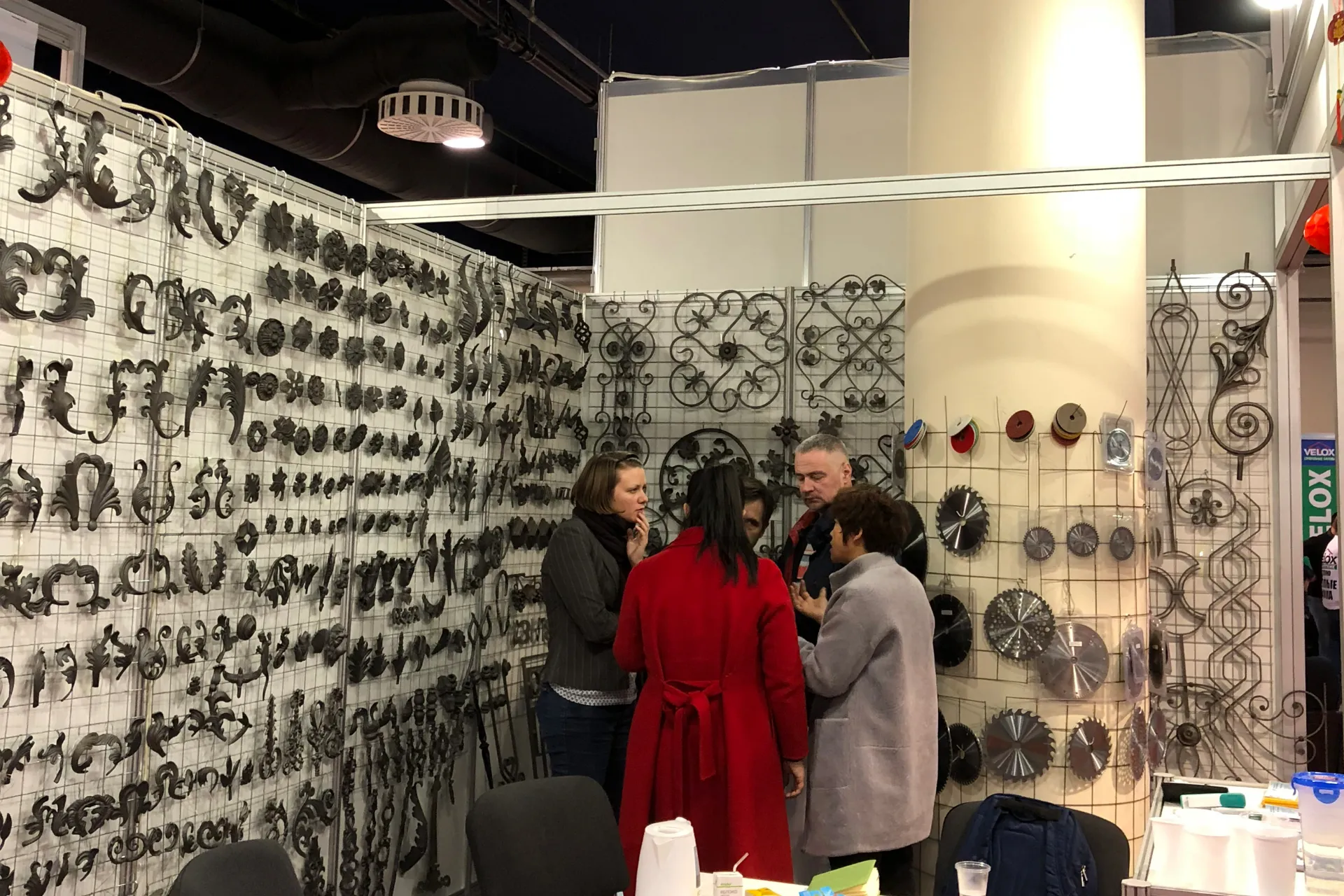
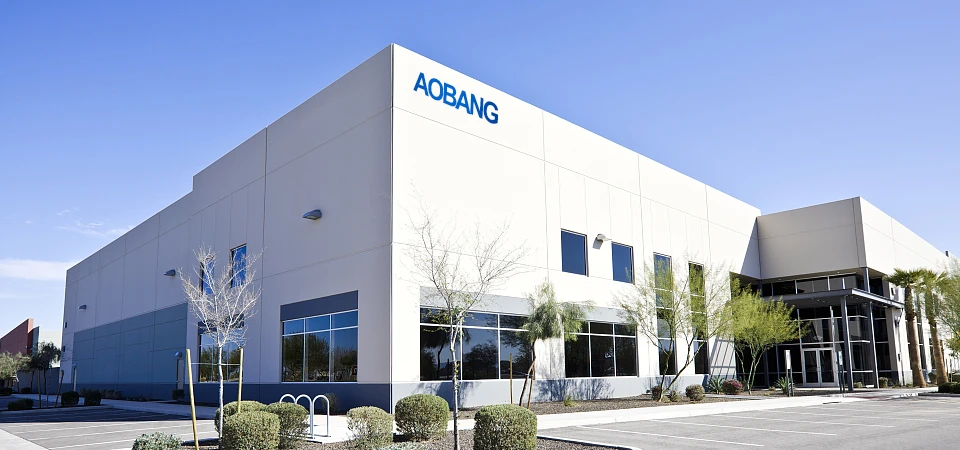
Aobahg Imp.& Exp.Co.Ltd. Was Founded In 2006, Located In Shijiazhuang City Hebei Province.

Aobahg Imp.& Exp.Co.Ltd. Was Founded In 2006, Located In Shijiazhuang City Hebei Province.
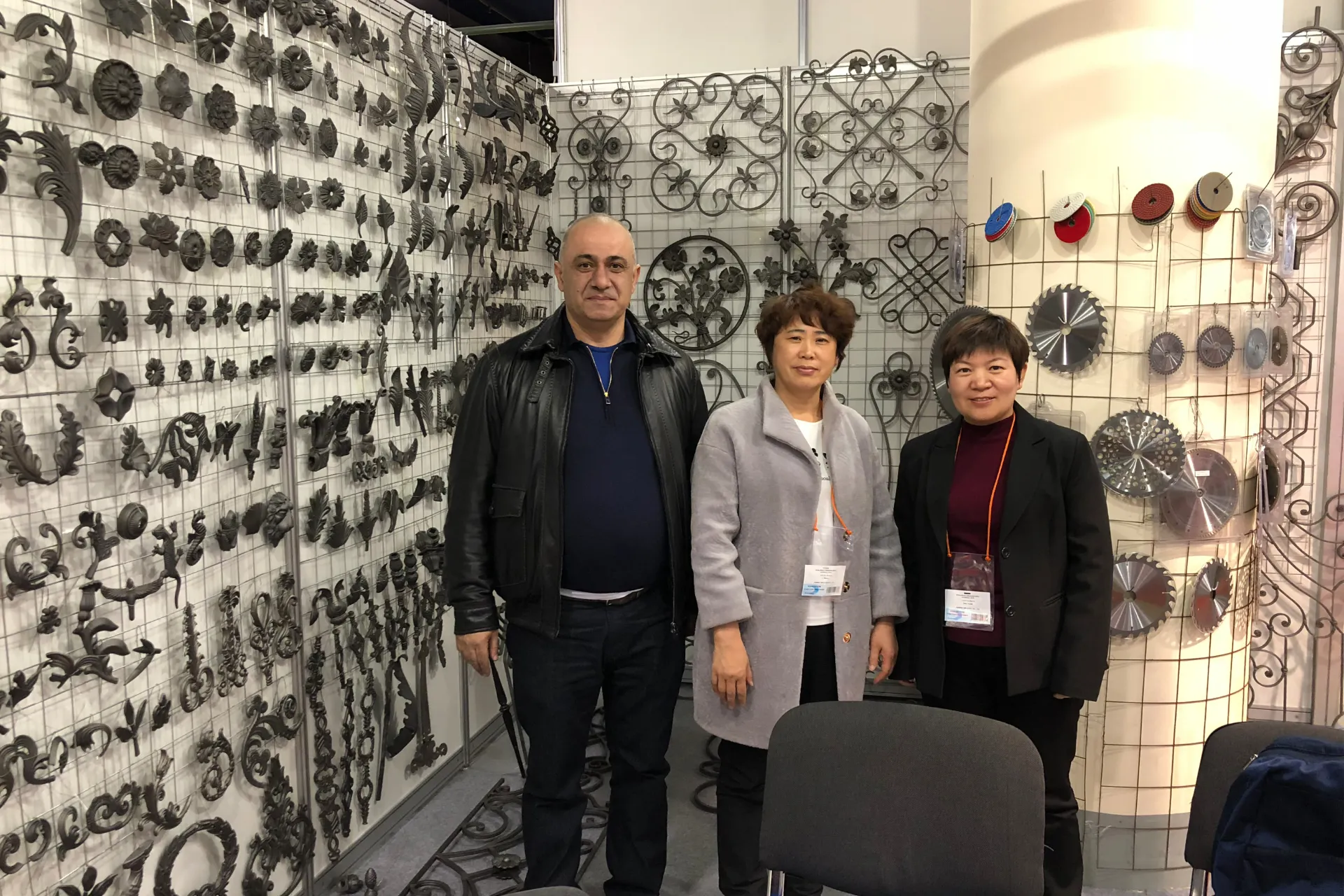
Aobahg Imp.& Exp.Co.Ltd. Was Founded In 2006, Located In Shijiazhuang City Hebei Province.
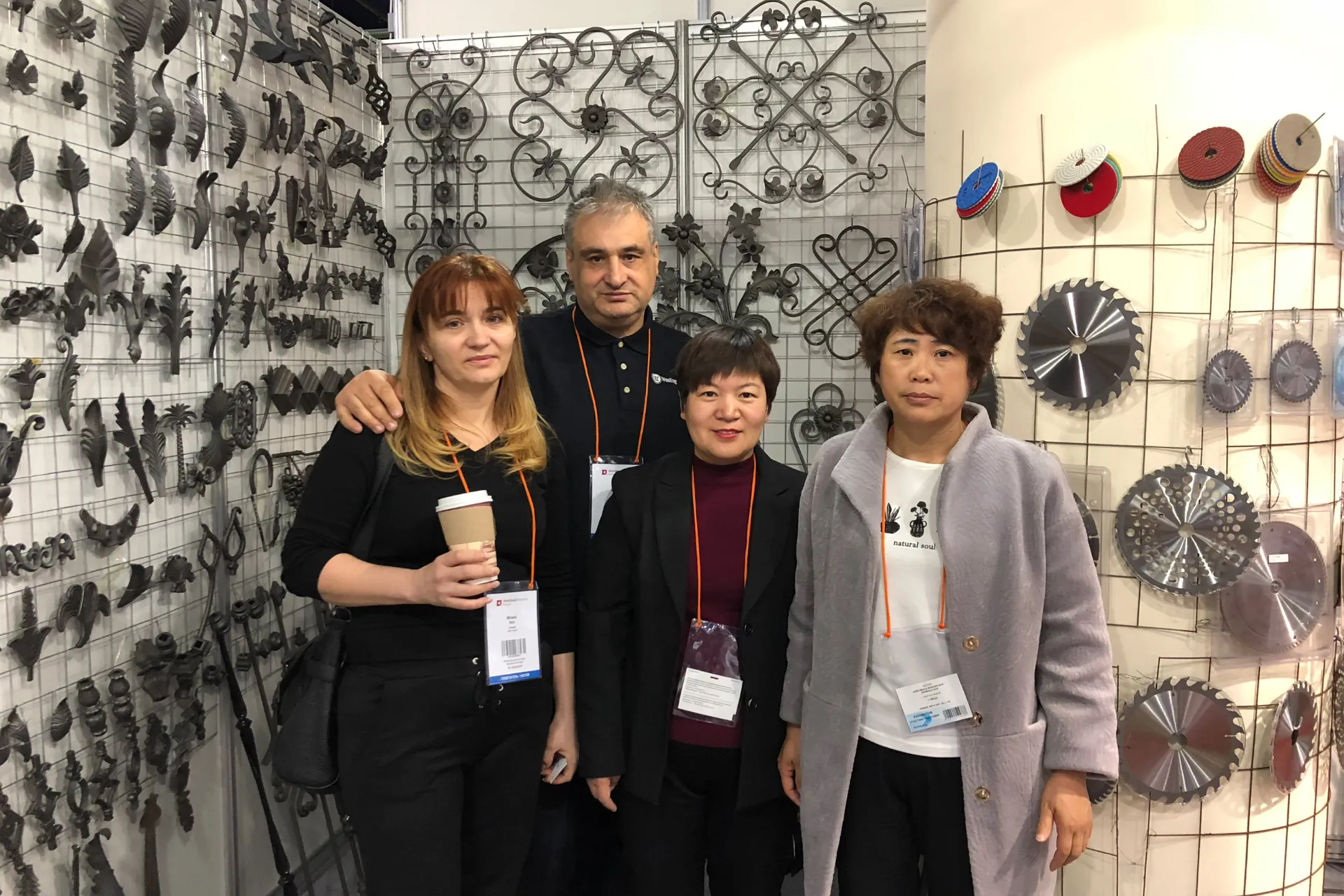
Aobahg Imp.& Exp.Co.Ltd. Was Founded In 2006, Located In Shijiazhuang City Hebei Province.
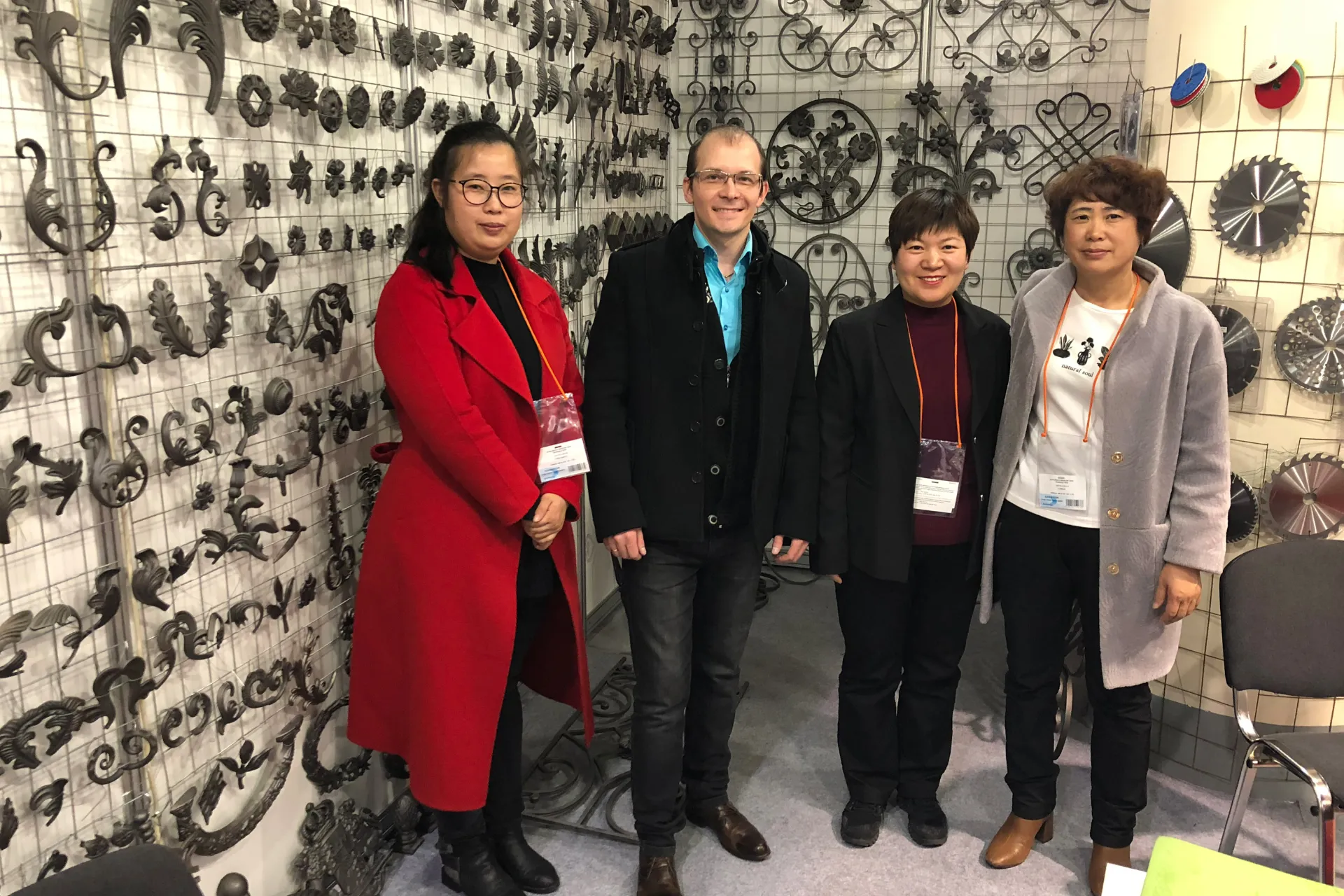
Aobahg Imp.& Exp.Co.Ltd. Was Founded In 2006, Located In Shijiazhuang City Hebei Province.
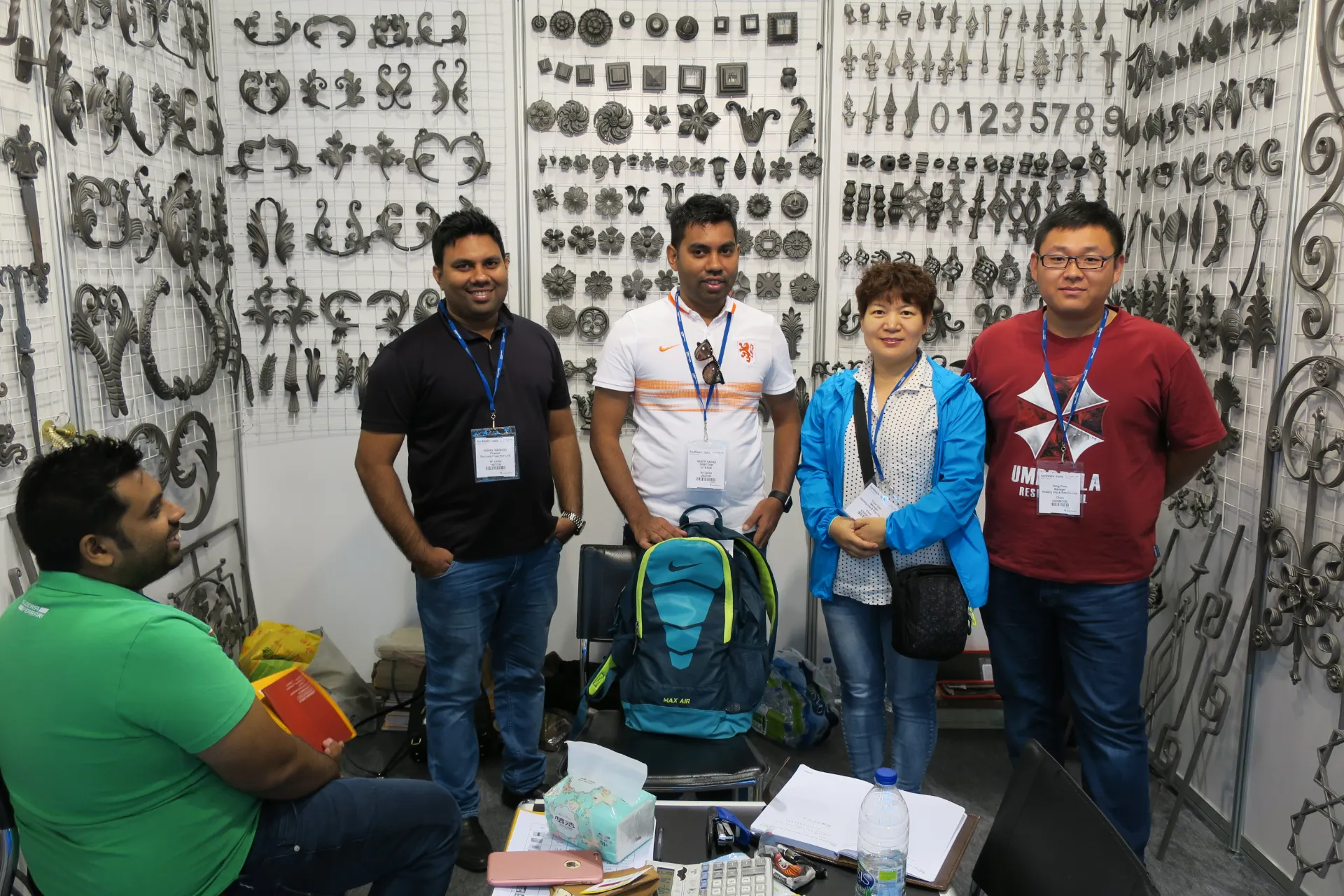
Aobahg Imp.& Exp.Co.Ltd. Was Founded In 2006, Located In Shijiazhuang City Hebei Province.
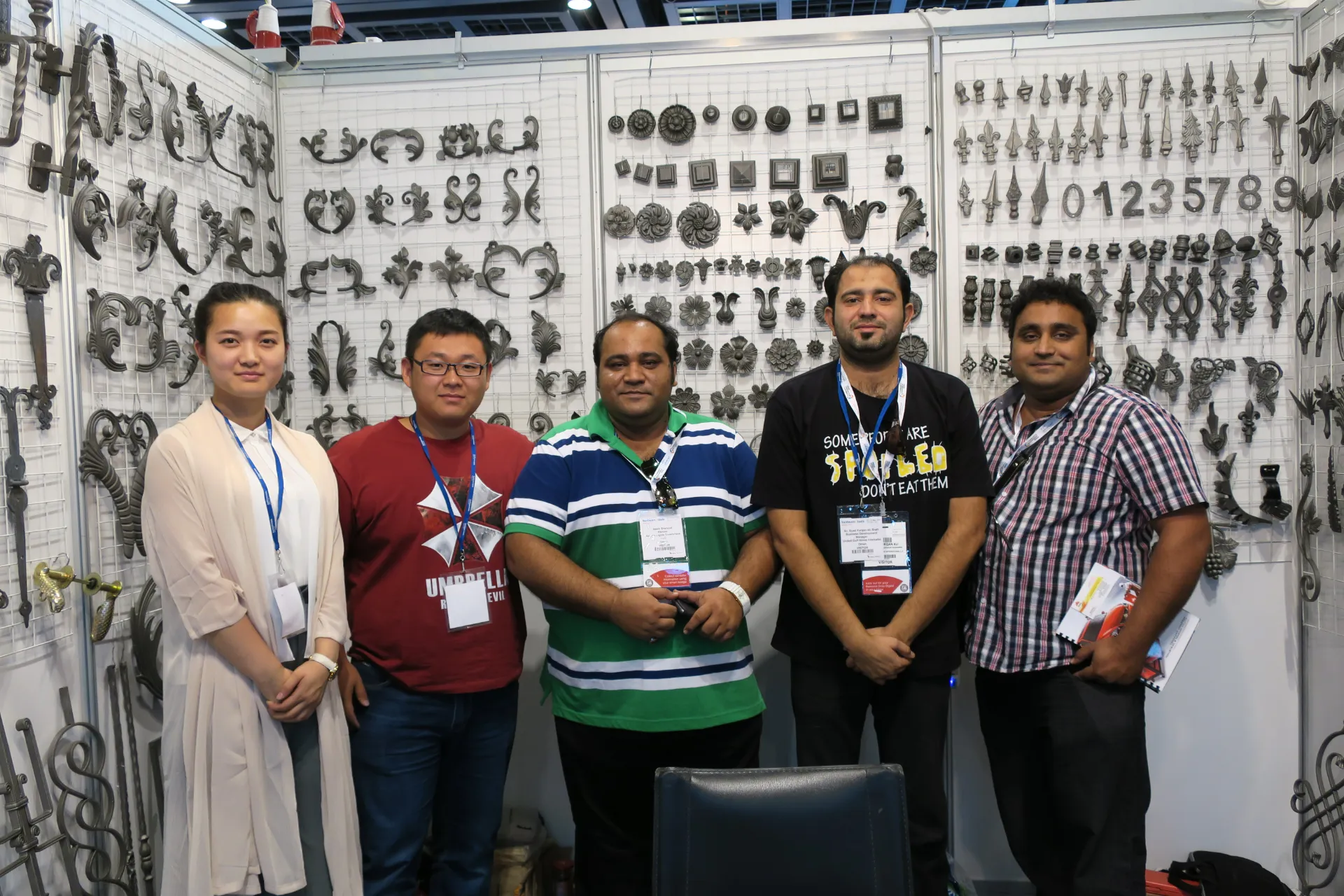
Aobahg Imp.& Exp.Co.Ltd. Was Founded In 2006, Located In Shijiazhuang City Hebei Province.
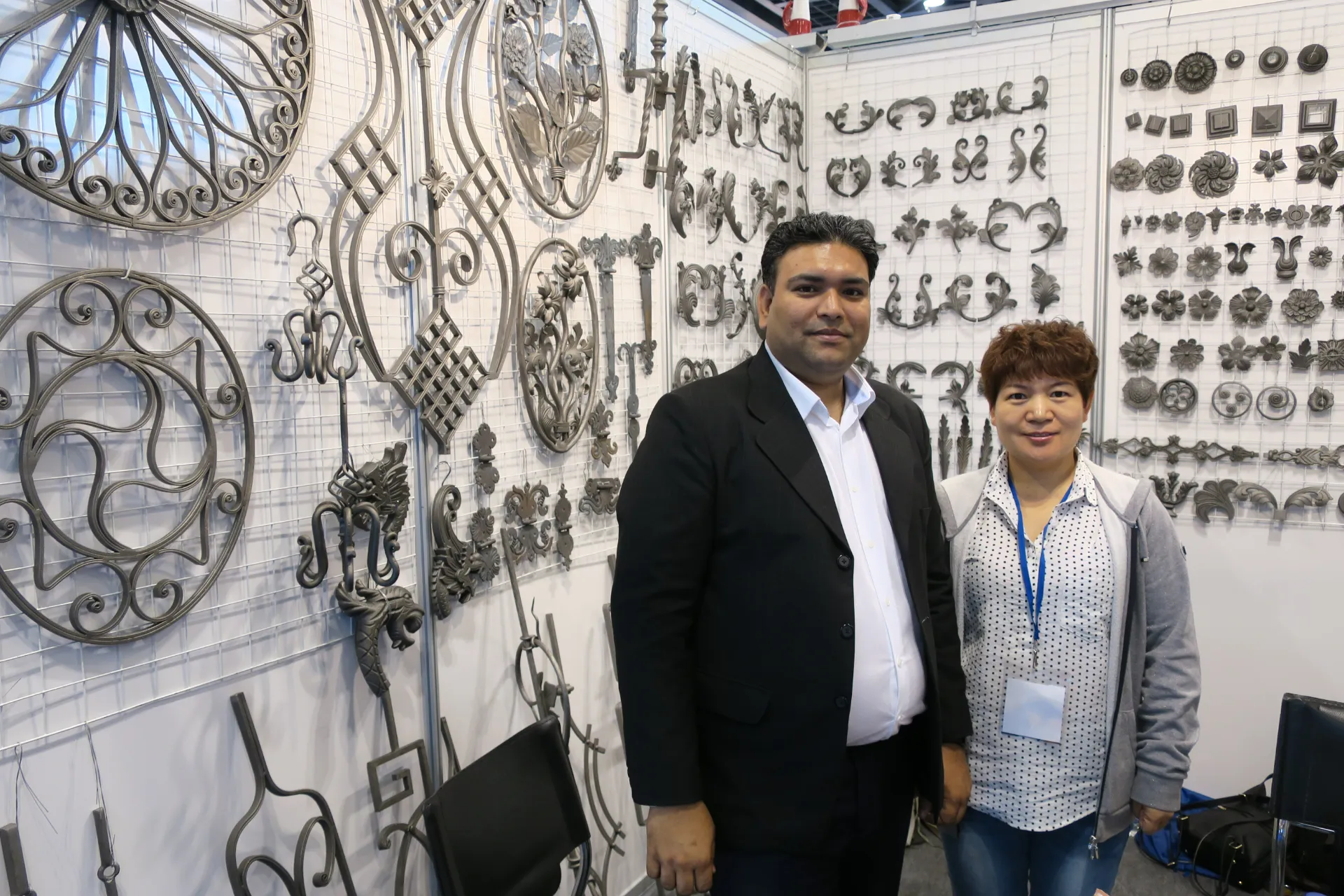
Aobahg Imp.& Exp.Co.Ltd. Was Founded In 2006, Located In Shijiazhuang City Hebei Province.


Find Your Solution
Request a Quote
Because Of Trust, We Are More Professional!


2026-04-04 21:57
bathroom stall door hinges
Bathroom stall door hinges may appear to be a minor detail in the grand scheme of public and commerc


2026-04-04 20:38
Cast Wrought Iron Ornaments-AOBANG_Anti-Corrosion&Customizable Design
Transform your garden, patio, or yard into a stunning outdoor retreat with Cast Wrought Iron Ornamen
2026-04-04 19:43
sash pulley
Sash pulleys are a cornerstone of traditional window construction, playing an essential role in the